






Massages have been a popular way of relaxing the body and mind, relieving stress and promoting general well-being for centuries. But how often should you have a massage to achieve the best results? There is no one-size-fits-all answer to this question, as the ideal frequency depends on various factors. In this article, we explore the benefits of massage, the different types of massage, and provide recommendations on frequency based on different needs and goals.
- How often should I have a massage if I have severe tension?
- What to wear for a massage and what to take off
- Does a full body massage include the breast massage?
- What does a full body massage include? The areas left out
- Which massage involves massaging everything?
- Do you tip for a massage? How much is usual
Show table of contents
Summary of the article
The ideal frequency for massages depends on individual needs, health goals and life circumstances. Those seeking relaxation often benefit from monthly sessions, whilst people with specific ailments or athletes may require weekly massages. Key factors include personal health, lifestyle and budget. A qualified massage therapist can offer advice based on individual goals. Listen to your body and adjust the frequency for optimal wellbeing. Massages are a key element in promoting health and wellbeing; the right frequency maximises their benefits
The Importance of Massage
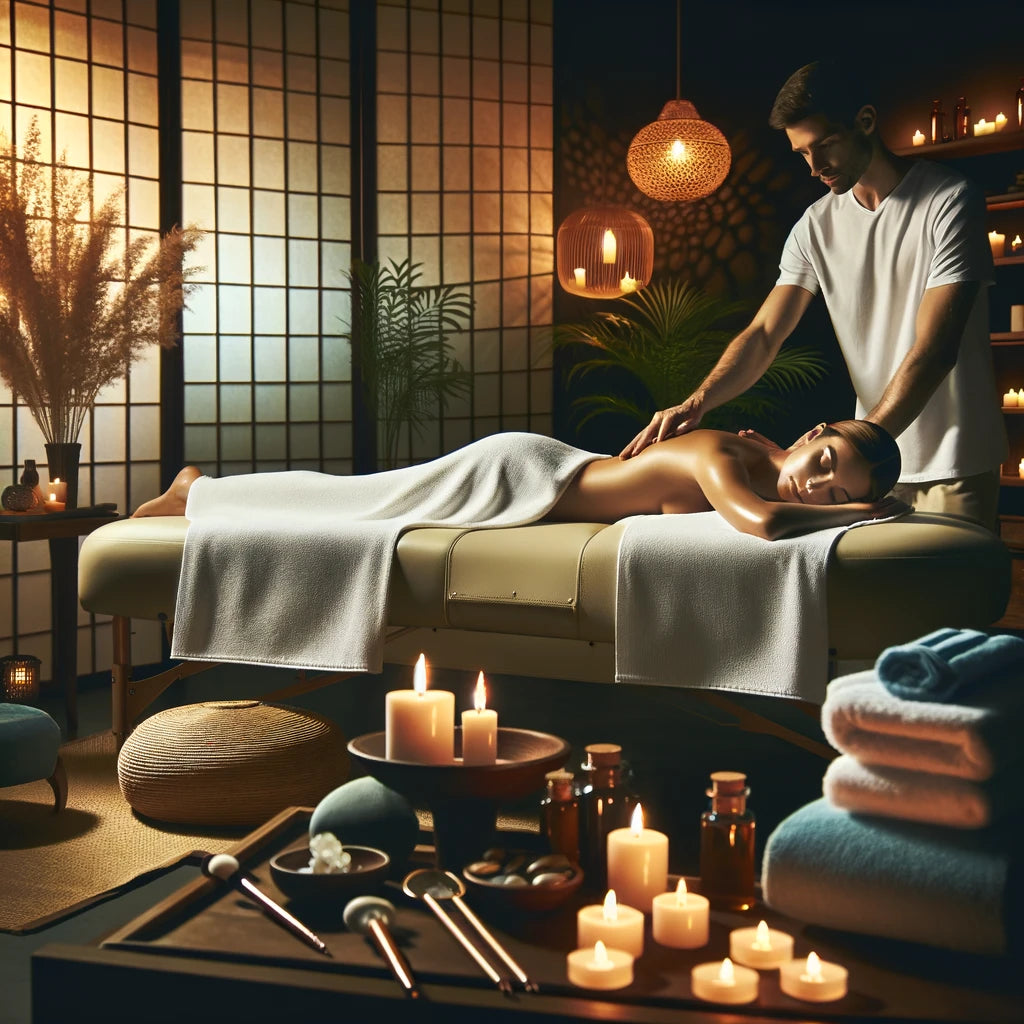
Massages offer a wide range of health benefits. They can help relieve muscle pain, improve blood circulation, reduce stress and anxiety, and promote better sleep. Furthermore, they play an important role in rehabilitation and can speed up the healing process. Nowadays, alongside traditional massage – which can be relatively expensive in the long run – there are more cost-effective alternatives.
These include, for example, massage devices such as massage guns, as well as modern massage chairs.
Different types of massage
There are many different types of massage, each with its own specific techniques and benefits.
- Sports massage : Ideal for athletes to speed up recovery and prevent injuries.
- Swedish massage : A gentler form of massage designed to promote relaxation and improve blood circulation.
- Deep-tissue massage : Targets deeper muscle layers to relieve chronic muscle tension.
How often should you have a massage?
How often you should have a massage depends on various factors, including your personal health, lifestyle and specific goals.
- For relaxation : People who seek massages primarily for relaxation may benefit from a monthly session.
- For therapeutic purposes : For specific ailments or conditions, more frequent treatment, such as once a week or every two weeks, may be advisable.
- For athletes : Active athletes may benefit from more regular massages to enhance performance and reduce recovery times.
Personal factors
The decision on how often to have a massage is also strongly influenced by individual needs and circumstances.
- Health condition : People with chronic pain or specific conditions may require more frequent sessions.
- Lifestyle : A stressful daily routine may require more frequent sessions to effectively reduce tension.
- Budget : Financial considerations also play a part in the decision-making process.
Practical tips
To find the right balance, it is advisable to speak to a qualified massage therapist who can provide personalised recommendations based on your individual needs and goals. It is also advisable to listen to your own body and adjust the frequency if you find that the current frequency is not producing the desired effect. If you’re looking for a massage therapist nearby, you can find local massage offers on Groupon (advertisement).
1. What factors determine the optimal frequency of massages?
There is no one-size-fits-all answer to the question of the optimal frequency of massage, as it depends on a variety of individual factors. The most important aspects include general health, personal wellness goals, level of physical activity, existing ailments or injuries, and levels of psychological stress. Scientific studies suggest that regular massages can enhance well-being, reduce stress and contribute to muscle relaxation. However, tailoring the frequency of massages to individual needs is crucial to reaping the full benefits.
For people who face a stressful daily routine or engage in intensive sport, a higher frequency of massage sessions may be advisable. In such cases, regular sessions not only support physical recovery but also provide a mental break, which helps to reduce overall stress levels. On the other hand, people who seek massages primarily for general relaxation or as a preventative measure may require less frequent appointments.
When it comes to specific conditions such as chronic pain, muscle tension or recovery from injuries, more frequent care from professional massage therapists may be beneficial. In such cases, consulting with a specialist to tailor a treatment plan can help ensure the best possible outcome. The article ‘How often is a massage recommended for severe tension?’ explains how often a massage is advisable for severe tension.
In addition to massage techniques applied directly by a therapist, modern technologies such as massage chairs offer a practical alternative for home use. One example is the NAIPO massage chair, which, thanks to its wide range of settings and programmes, enables a personalised massage experience. These devices can be a valuable complement to professional massage and offer the flexibility to enjoy a massage in the comfort of your own home at any time. Anyone wishing to try out a massage chair first can do so in Hamburg by booking an appointment at the NAIPO Relax Lounge.
2. How does the recommended frequency of massage differ between relaxation and therapeutic treatment?
The recommended frequency of massages varies considerably, depending on whether the focus is on relaxation or therapeutic treatment. With relaxation massages, the emphasis is on general well-being. They are designed to relieve the stress of everyday life and promote a sense of calm. In such cases, even a single session a month can have positive effects on mental and physical health.
Therapeutic massages, on the other hand, aim to address specific health issues. These include, amongst other things, the relief of chronic pain, the treatment of injuries or support during rehabilitation. Due to the focused nature of the treatment, therapeutic massages may be required at shorter intervals – often weekly or even several times a week – depending on the severity of the symptoms and the advice of the treating therapist.
The choice of massage frequency should always be made in consultation with a qualified massage therapist who takes individual needs and goals into account. Close collaboration enables the treatment to be optimally tailored and the effectiveness of the massages to be maximised.
For those who wish to enjoy the benefits of massage at home, purchasing a massage chair is a good option. Products such as the NAIPO massage chair can provide valuable support, particularly when regular visits to a massage therapist are not possible or desired. With such a device, the benefits of therapeutic and relaxing massages can be combined and flexibly integrated into everyday life.
3. Can too many massages be harmful?
Whilst massages offer numerous health benefits, it is nevertheless possible that massages that are too frequent may have a counterproductive effect under certain circumstances. Excessive massage therapy, particularly when intensive techniques such as deep-tissue massage are used, can lead to overstimulation of the muscles, increased sensitivity or even injury. It is important to adopt a balanced approach and to listen to your body’s signals.
Experts advise allowing sufficient time for recovery between massage sessions so that the body can fully absorb the positive effects. The optimal frequency depends on individual responses to the massage, general health and specific goals.
Massage chairs such as the NAIPO offer the advantage that users can control the intensity and frequency of the massage themselves, which minimises the risk of overexertion. Thanks to the customisable settings, users can find a balance that is comfortable for them without running the risk of overworking their muscles.
4. How do I find out which type of massage is best suited to my needs?
Choosing the right type of massage is crucial for achieving maximum benefits for your health and wellbeing. The decision should be based on a careful assessment of your personal health goals, existing ailments and preferences. It is advisable to speak to a qualified massage therapist who can provide a professional assessment and offer specific recommendations based on your individual needs.
It can also be helpful to try out different types of massage to discover which techniques deliver the best results. From classic methods such as Swedish massage to specialised techniques such as trigger point therapy, there is a wide range of options available to promote individual wellbeing.
For those who value the flexibility and comfort of a massage at home, massage chairs can offer a practical alternative. A high-quality massage chair, such as the one from NAIPO, features various programmes and settings that allow you to simulate different types of massage. This offers the opportunity to test the effects of various techniques in the comfort of your own home and find the one that best suits your personal needs.
By doing your research, seeking advice and trying out different options, you can identify the type of massage that best contributes to your own health and wellbeing.
Conclusion
There is no one-size-fits-all answer to the question of how often one should go for a massage. It depends on a variety of individual factors. It is important to listen to your own body and choose a frequency that aligns with your personal health and wellbeing goals. Massages are a wonderful way to look after yourself, and the right frequency can help you realise their full potential.
FAQs
1. Can having massages too often be harmful? Having massages too often can lead to irritation in some people, particularly when intensive techniques such as deep-tissue massage are used. It is important to adopt a balanced approach and adjust the frequency if necessary.
2. Are massages suitable for children too? Yes, massages can also be beneficial for children, particularly for relaxation and to relieve muscular discomfort. However, it is important to choose a therapist who has experience in treating children.
3. How long should a massage session last? A typical massage session lasts between 30 and 90 minutes, depending on the individual’s specific needs and goals.
4. Can massages help to cure illnesses? Whilst massages offer many health benefits and can help to alleviate symptoms, they should not be regarded as the sole method of treatment for illnesses. However, they can be a valuable addition to a comprehensive health plan.
5. How do I find a qualified massage therapist? It is advisable to look for licensed and certified massage therapists and to take into account reviews or recommendations from friends, family or healthcare professionals.
Frequently asked questions
- How often should I have a massage if I have severe tension?
- What to wear for a massage and what to take off
- Does a full body massage include the breast massage?
- What does a full body massage include? The areas left out
- Which massage involves massaging everything?
- Do you tip for a massage? How much is usual

Written by NAIPO Editorial Team · Massage & Product Experts from Hamburg
Product experts, service technicians, and massage enthusiasts at Alsterwell GmbH — specializing in massage technology for over a decade, with our own workshop and showrooms for test sitting.
Fact-checked by David Eberst · Co-founder of NAIPO




Leave a comment
This site is protected by hCaptcha and the hCaptcha Privacy Policy and Terms of Service apply.