


Article: Foot massager benefits: do they work and who are they for?
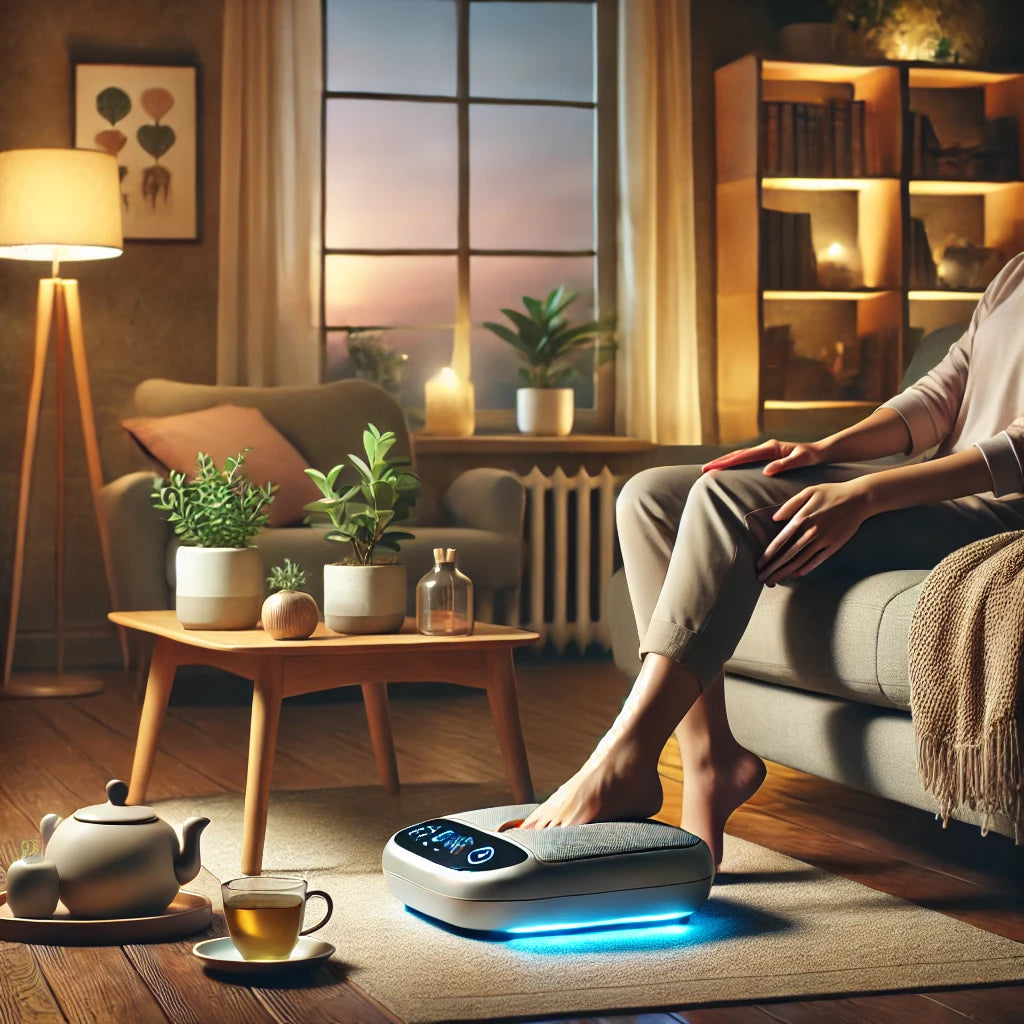



We’ve all been there: after a long day on your feet, there’s nothing you’d like more than a soothing foot massage. But is it really worth investing in a foot massager? In this article, we take a closer look at the pros and cons of a foot massager and whether it might be the right choice for you.
- Who should not use a foot massager? Main contraindications
- How long and how often should you use a foot massager?
- Best foot massager for neuropathy: what to look for
- When should you not use a foot massager?
- EMS foot massager: benefits, side effects and how long to use
- Medical foot massagers: what makes the difference
Show table of contents
Summary/TLDR
A foot massager can help relieve stress, improve blood circulation and ease muscle tension. It offers a convenient way to enjoy regular massages without having to leave the house. However, not all devices are equally effective, and individual needs should be taken into account.
Why foot massagers are becoming increasingly popular
The benefits of foot massagers
Stress relief and relaxation
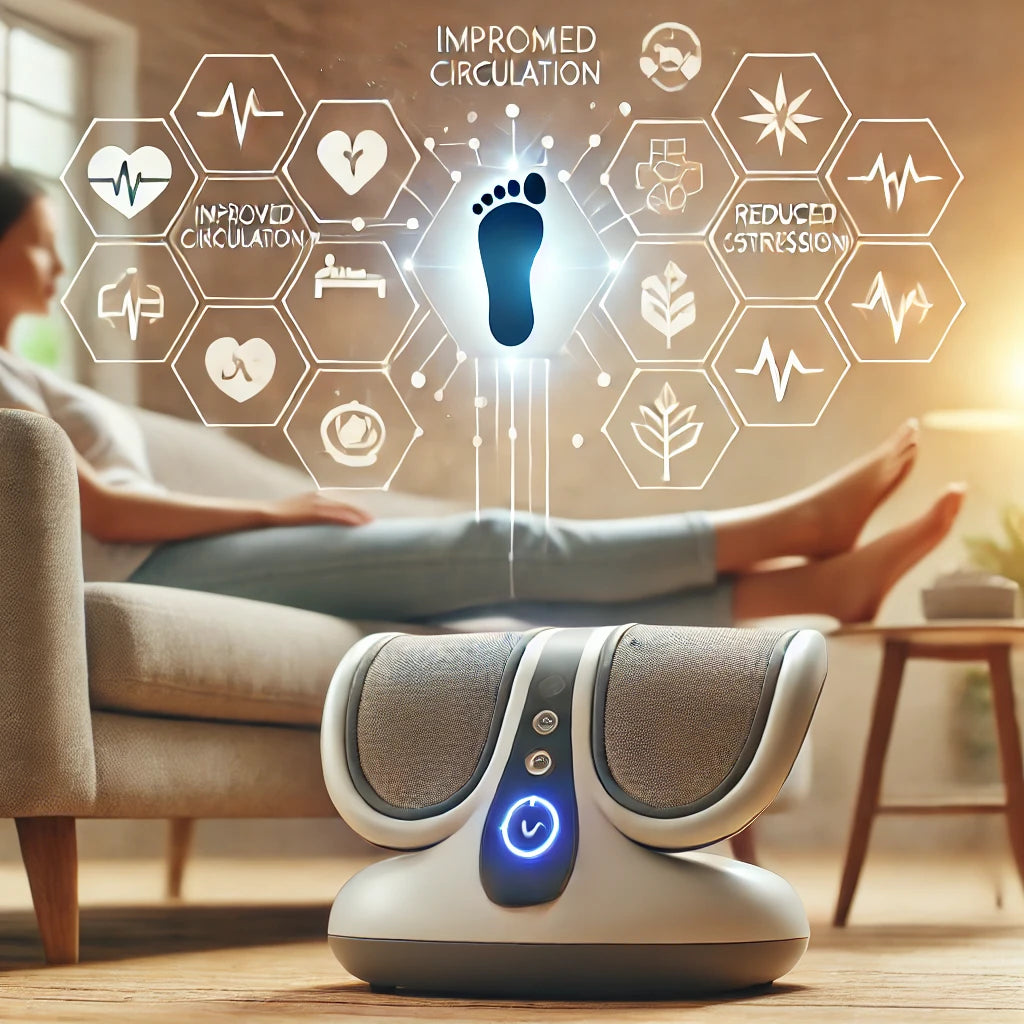
A foot massager can be a brilliant way to relieve stress. The massage releases endorphins, which act as natural painkillers and mood boosters. Anyone who experiences regular stress may notice a marked improvement in their well-being by using a foot massager.
Improved blood circulation
The massage stimulates blood circulation, which can be particularly beneficial for people with circulatory problems. Improved blood circulation also means a better supply of oxygen and nutrients to the muscles and tissues.
Relief from muscle tension and pain
Whether caused by standing for long periods, sport or simply everyday life – muscle tension is very common. A foot massager can help to relieve this tension and ease pain. The massage can also improve the flexibility and mobility of the feet.
The different types of foot massagers
Electric foot massagers
Electric foot massagers are widely available and offer a variety of functions, such as heat, different massage intensities and patterns. They are easy to use and require little effort.
Manual foot massagers
These devices require a little more effort on your part, as they are operated by hand movements. However, they are a cost-effective alternative to electric models and are ideal for targeted massages.
Foot spa baths
Foot spa baths combine massage with hydrotherapy. Warm water and massage jets work together to provide relaxation and refreshment for the feet. These devices are particularly soothing after a long day.
What to look for when buying a foot massager
Quality and features
Build quality
A high-quality foot massager should be robust and durable. Pay attention to the materials and workmanship to ensure you’ll enjoy it for a long time to come.
Adjustable intensity and modes
A good massager should offer various intensity levels and massage programmes. This allows you to tailor the massage to your individual needs.
Additional features
Features such as heat, vibration modes or infrared can significantly enhance the massage experience. Consider which additional features are important to you.
Value for money
The price of a foot massager can vary greatly. It’s important to choose a device that both meets your requirements and is within your budget. An expensive device isn’t automatically the best choice for you.
Disadvantages and potential problems with foot massagers
Limitations on effectiveness
Not suitable for all problems
Whilst a foot massager can offer many benefits, it is no substitute for professional medical treatment. If you have serious health problems, you should always consult a doctor.
Dependence on a power supply
Electric models rely on a power source. This can be impractical in certain situations, for example if you want to use it whilst travelling.
Cost and maintenance
Initial cost
A high-quality foot massager can be a significant investment. You should therefore consider carefully whether the purchase is worth it for you and whether you will use it regularly.
Maintenance and cleaning
As with any technical device, regular cleaning and maintenance are essential. Make sure the device is easy to clean to avoid hygiene issues.
Conclusion
A foot massager can be a wonderful addition to your daily routine, particularly if you often suffer from tired or aching feet. It offers a convenient and cost-effective way to enjoy a foot massage on a regular basis. However, you should carefully weigh up your individual needs and the factors mentioned above before making a decision.
1. What health benefits does a foot massager offer?
A foot massager can offer a wide range of health benefits that go far beyond mere relaxation. Through targeted stimulation of the foot muscles and reflex zones, blood circulation is improved, which in turn optimises the supply of oxygen and nutrients to the tissues. This can help to reduce inflammation and speed up the healing of injuries. Furthermore, regular foot massages can help to lower blood pressure and relieve strain on the cardiovascular system. Studies have shown that massages promote the release of endorphins, which act as natural painkillers and mood enhancers. This can be particularly beneficial for people suffering from chronic pain or symptoms of stress. NAIPO’s foot massagers are designed to maximise these health benefits through innovative technologies and versatile functions.
2. How often should you use a foot massager to achieve optimal results?
The frequency of use of a foot massager can vary depending on individual needs and health goals. Generally, however, it is recommended to use a foot massager one to three times a week for 15–30 minutes at a time to achieve optimal results. Regular use can help relieve muscle tension, reduce stress and improve overall foot health. It is important to pay attention to how your body responds and to adjust the intensity and duration of the massage accordingly. When using NAIPO foot massagers, the various modes and settings can be utilised to ensure a personalised massage experience. This allows users to tailor the massage to their individual needs and achieve the best results.
3. What types of foot massagers are there, and which one is best for me?
There are various types of foot massagers, each offering different benefits. Electric foot massagers are the most common type and offer a range of functions such as heat, vibration and different massage modes. These devices are particularly practical for home use, as they require little effort and provide a consistent quality of massage. Manual foot massagers, on the other hand, are often simpler in design and require active participation, making them a good choice for targeted massages. Foot spa baths combine hydrotherapy with massage and are ideal for comprehensive foot care. Choosing the right device depends on individual needs and preferences. NAIPO foot massagers offer a wide range of functions, from intense kneading massages to soothing heat treatments, ensuring that every user can find the right model for their specific requirements.
4. Can a foot massager help with specific problems such as plantar fasciitis or arthritis?
Yes, a foot massager can be very helpful for specific problems such as plantar fasciitis or arthritis. Plantar fasciitis, a common cause of heel pain, is caused by inflammation of the plantar fascia. Regular use of a foot massager can help to reduce tension in this tendon, improve blood circulation and promote healing. For people with arthritis, massaging the feet can relieve pain, improve joint mobility and reduce inflammation. The heat function found on many foot massagers can also help to relax stiff joints and increase mobility. NAIPO foot massagers are specifically designed to address such specific conditions by combining targeted massage programmes with soothing heat to provide comprehensive relief.
5. How does the effect of a foot massager differ from that of a professional foot massage?
The effects of a foot massager differ from those of a professional foot massage in several respects, although both methods offer significant benefits. Professional foot massages are carried out by trained therapists who can adapt their techniques to the client’s individual needs. This allows for precise and often deeper treatment of muscle tension and specific pain points. A foot massager, on the other hand, offers the advantage of convenience and accessibility. It allows for regular massages at home, without the need for appointments or the additional costs associated with professional treatments. Modern foot massagers, such as those from NAIPO, offer a wide range of settings and functions that enable a personalised and effective massage. Although they may not offer the same depth and adaptability as manual therapy, they nevertheless represent a valuable addition to regular foot care and can make a significant contribution to general well-being.
FAQs
1. How often should I use a foot massager?
How often you use it depends on your personal needs. It is generally recommended to use the device one to three times a week for 15–30 minutes at a time.
2. Can a foot massager replace medical treatment?
No, a foot massager cannot replace medical treatment. It is intended solely for relaxation and the relief of minor ailments.
3. Which features are particularly useful in a foot massager?
Heat settings, different intensity levels and massage programmes, as well as vibration modes, are particularly useful and enhance the massage experience.
4. Are foot massagers suitable for everyone?
Most people can use a foot massager without any concerns. However, if you have any existing health conditions, you should consult a doctor beforehand.
5. How much should I spend on a good foot massager?
Prices vary widely. However, for a good machine, you should expect to pay between 50 and 200 euros. Make sure to look for quality and features that suit your needs.
If you enjoy foot massages: in our massage chair overview, you’ll find models that massage your feet, legs and back in a single session.
If you want to compare models: the overview of all NAIPO foot massagers shows features and prices at a glance.
You might also like: How good are foot massagers? and Are foot massagers healthy?.
Frequently asked questions
- Who should not use a foot massager? Main contraindications
- How long and how often should you use a foot massager?
- Best foot massager for neuropathy: what to look for
- When should you not use a foot massager?
- EMS foot massager: benefits, side effects and how long to use
- Medical foot massagers: what makes the difference

Written by NAIPO Editorial Team · Massage & Product Experts from Hamburg
Product experts, service technicians, and massage enthusiasts at Alsterwell GmbH — specializing in massage technology for over a decade, with our own workshop and showrooms for test sitting.
Fact-checked by David Eberst · Co-founder of NAIPO



Leave a comment
This site is protected by hCaptcha and the hCaptcha Privacy Policy and Terms of Service apply.