


After a long day on our feet, our feet long for relaxation and rest. This is where a foot massager comes in – it not only promotes a sense of well-being but can also offer health benefits. But how do you use a foot massager properly to get the most out of it? In this article, I’ll explain how to get the most out of a foot massager, the different types available and what to look out for.
Show table of contents
- Next article: Who should not use a foot massager? Main contraindications
- Next article: EMS foot massager: benefits, side effects and is it safe?
- Next article: How long and how often should you use a foot massager?
- Next article: When should you not use a foot massager?
- Next article: Foot massager for neuropathy: benefits and limits
- Next article: Are foot massagers healthy?
Summary/TLDR
A foot massager is a great tool for relieving tension and pain in the feet. In this article, you’ll learn how to use a foot massager correctly. We’ll look at the different types of devices, the benefits of using them, and provide you with a step-by-step guide. We’ll also explain when it’s best not to use a foot massager. To find out what’s different if you have polyneuropathy, see our article Foot massagers for polyneuropathy: a review.
What is a foot massager?
A foot massager is an electronic device designed to stimulate the muscles and nerves in the feet. There are various types of foot massagers that use different techniques to relieve tension and promote blood circulation.
Types of foot massagers
There are several types of foot massagers on the market, each offering different functions:
-
Manual foot massagers: These require physical effort to apply pressure to specific points on the foot. They are usually easy to use and do not require electricity.
-
Electric foot massagers: These devices operate automatically and often offer various modes such as kneading, vibration or a heat function.
-
Water massage devices: These devices combine water massage with heat to provide a spa-like experience.
The benefits of using a foot massager
Regular use of a foot massager can offer numerous benefits. Here are some of the most notable:
Improved blood circulation
One of the main benefits of a foot massage is improved blood circulation. The massage stimulates blood flow in the feet, which can be particularly beneficial for people with poor circulation.
Pain relief
Whether from standing for long periods, intense exercise or simply wearing uncomfortable shoes – our feet often suffer from pain. A foot massager can help to relieve this pain by relaxing the muscles and easing tension.
Stress relief
Another important benefit is stress relief. A relaxing foot massage at the end of the day can help to calm the mind and reduce stress levels.
Promoting general well-being
Regular foot massages can promote general well-being by providing a sense of relaxation and recuperation.
Step-by-step guide: How to use a foot massager correctly
Using a foot massager correctly is crucial for achieving the best results. Here is a simple step-by-step guide:
Step 1: Preparation
Before using the massager, make sure you are in a comfortable position. It is also advisable to wash and dry your feet beforehand to achieve the best results.
Step 2: Choose the right programme
If your device offers different modes or programmes, choose the one that best suits your needs. A gentle kneading action is ideal for a relaxing massage, whilst more intense modes are perfect for relieving deeper tension.
Step 3: The duration of the massage
Start with a shorter massage of around 10–15 minutes, especially if you’re using the device for the first time. Over time, you can increase the duration, but avoid massaging for longer than 30 minutes at a time to prevent overstimulation.
Step 4: After the massage
After the massage, you should let your feet rest for a few minutes. It can also be helpful to gently stretch or massage them afterwards to prolong the relaxation.
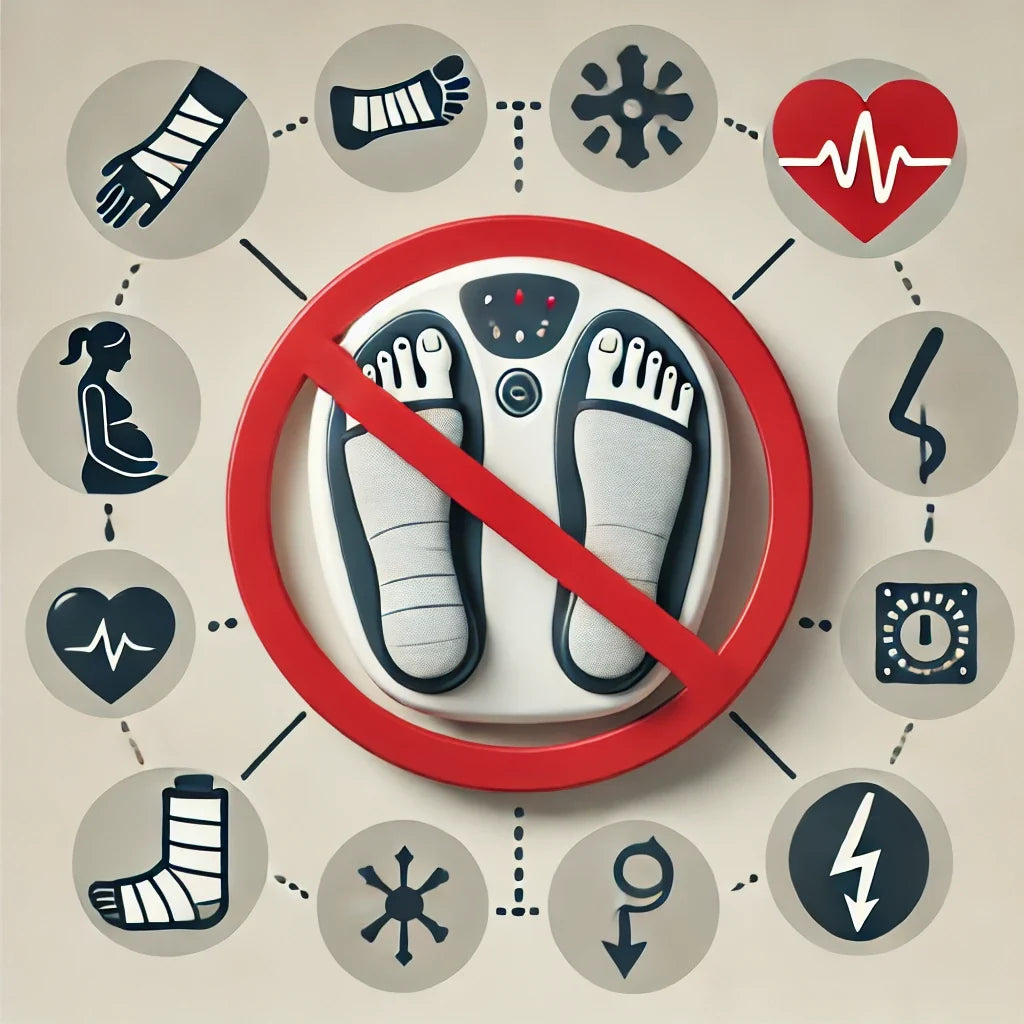
When you should avoid using a foot massager
Although foot massagers offer many benefits, there are also situations in which you should avoid using one:
If you have open wounds or skin irritation
If you have open wounds, cracks or skin irritation on your feet, you should not use the massager, as this could hinder the healing process.
If you have certain medical conditions
People with certain medical conditions, such as diabetes, varicose veins or deep vein thrombosis, should consult their doctor before using a foot massager.
During pregnancy
Pregnant women should also exercise caution and consult their doctor before using a foot massager.
Conclusion
A foot massager can be a wonderful addition to your daily relaxation routine. Not only does it provide relief from aching feet, but it also promotes general health and well-being. By following the tips above, you can get the most out of your foot massager. However, bear in mind that caution is advised if you have certain health conditions.
FAQs
1. How often should I use a foot massager?
You can use a foot massager daily, but each session should not exceed 30 minutes to avoid overstimulation.
2. Can a foot massager help with plantar fasciitis?
Yes, a foot massager can help relieve the symptoms of plantar fasciitis by relaxing the muscles and improving blood circulation.
3. Is it safe to use a foot massager during pregnancy?
Pregnant women should always consult their doctor before using a foot massager.
4. Can I use the foot massager on other parts of the body?
It is not recommended to use a foot massager on other parts of the body, as it is specifically designed for the feet.
5. Which is better: an electric or a manual foot massager?
That depends on your preferences. Electric devices often offer more functions and are more convenient, whilst manual devices are simpler and more affordable.
Foot massage is also available on a larger scale: many NAIPO massage chairs massage the feet at the same time using their own rollers. Find out more in our guide to massage chairs with foot reflexology.
If you want to compare models: the overview of all NAIPO foot massagers shows features and prices at a glance.
You might also find these useful: How good are foot massagers? and How does a foot massager work?. For information on what to bear in mind if you suffer from nerve-related foot problems, see the guide Foot massagers for neuropathy.
Frequently asked questions

Written by NAIPO Editorial Team · Massage & Product Experts from Hamburg
Product experts, service technicians, and massage enthusiasts at Alsterwell GmbH — specializing in massage technology for over a decade, with our own workshop and showrooms for test sitting.
Fact-checked by David Eberst · Co-founder of NAIPO


Leave a comment
This site is protected by hCaptcha and the hCaptcha Privacy Policy and Terms of Service apply.