


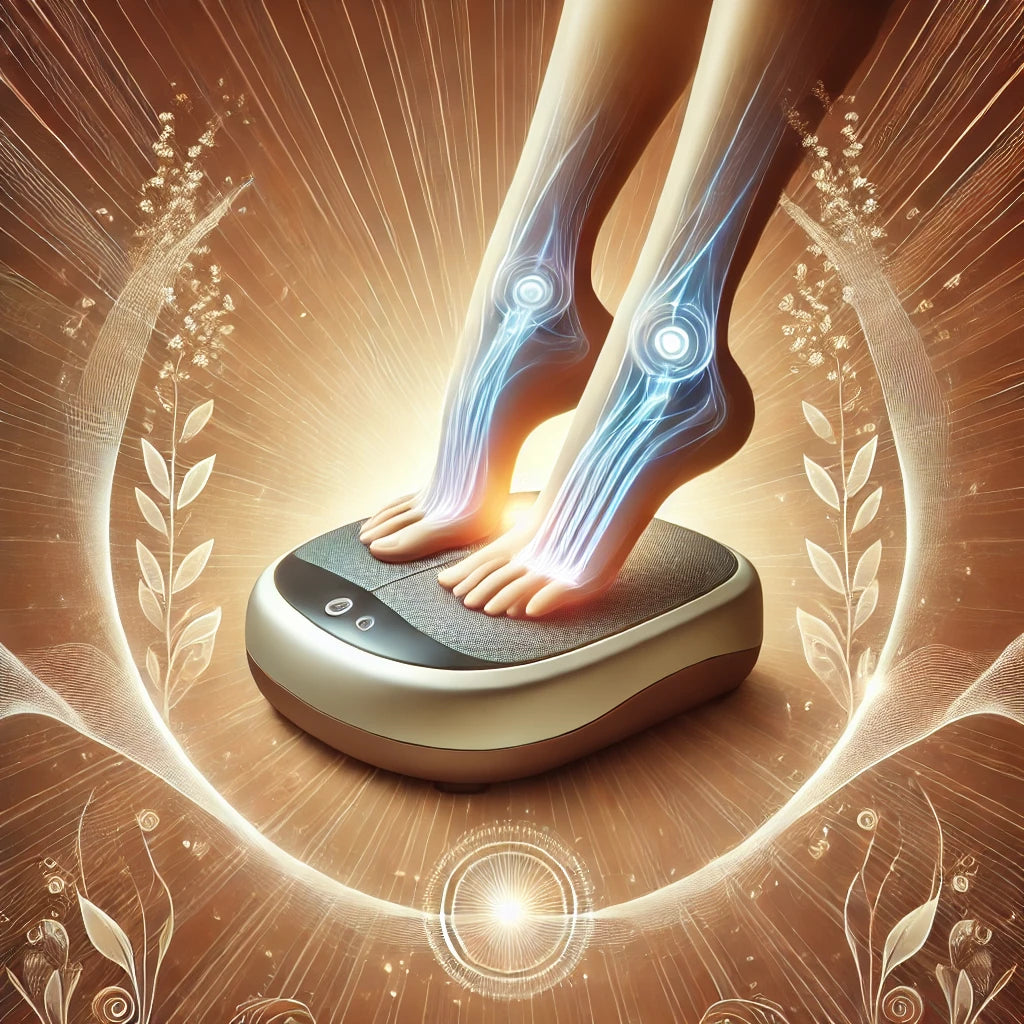



Have you ever come home after a long, stressful day and wished someone would give you a soothing foot massage? Well, foot massagers promise exactly that – a relaxing massage whenever you need it. But are these devices really healthy, or might they even pose risks? In this article, we’ll get to the bottom of this question and examine the benefits and potential drawbacks of foot massagers. Let’s find out together whether investing in one of these devices is really worth it!
- Who should not use a foot massager? Main contraindications
- Best foot massager for neuropathy: what to look for
- How long and how often should you use a foot massager?
- Reflexology for neuropathy: what it can and cannot do
- Medical foot massagers: what makes the difference
- EMS foot massager: benefits, side effects and how long to use
Show table of contents
Summary/TLDR
Foot massagers offer numerous health benefits, such as promoting blood circulation, relieving pain and reducing stress. However, there are also potential risks, particularly if used incorrectly or in the case of certain health conditions. This article covers the key pros and cons of foot massagers in detail to help you decide whether such a device is right for you.
What are foot massagers?
The different types of foot massagers
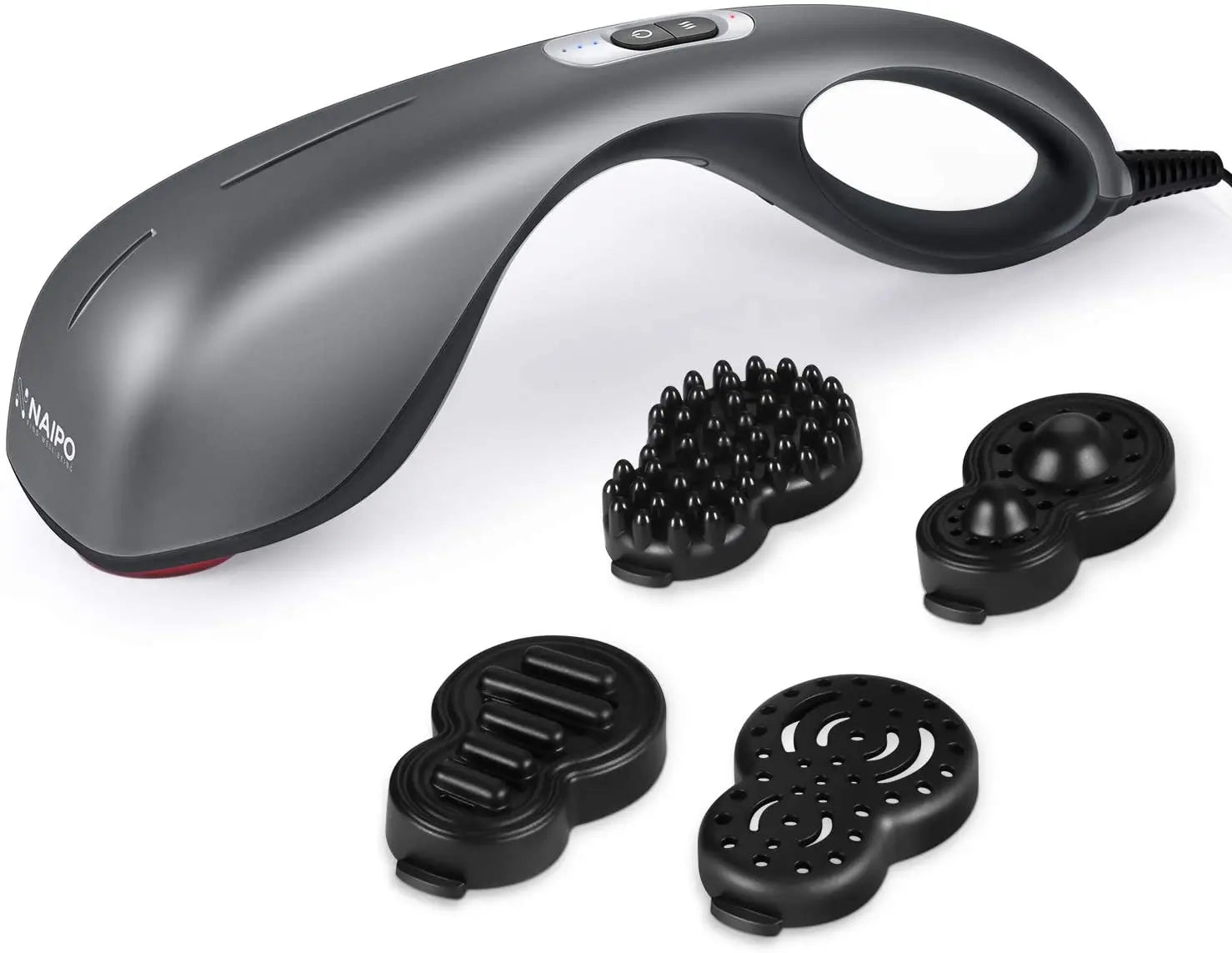
Foot massagers come in many different designs, ranging from simple mechanical rollers to sophisticated electric devices with a heat function and various massage programmes. Most of these devices are designed to relax the foot muscles, improve blood circulation and promote a general sense of well-being.
Electric vs. mechanical foot massagers
Electric foot massagers are generally more expensive, but offer a wider range of functions, such as heat, vibration and different intensity levels. Mechanical models, on the other hand, are easier to use and often cheaper, but are more limited in what they can do.
The health benefits of foot massagers
Improved blood circulation
A key benefit of foot massagers is improved blood circulation. By stimulating the muscles and tissues of the feet, blood circulation can be enhanced, which is particularly beneficial for people with circulatory problems. Improved blood circulation helps to distribute oxygen and nutrients more efficiently throughout the body and can even aid in the healing of injuries.
Pain relief and relaxation
For many people, foot massagers are a real miracle cure for pain and tension. The massage can help to release muscle knots, relieve pain in the feet and create a deep sense of relaxation. A foot massage can work wonders, especially after a tiring day.
Stress relief and mental health
As well as the physical benefits, foot massagers also help to improve mental health. A regular foot massage can help reduce stress by calming the nervous system and stimulating the production of endorphins – the so-called ‘happiness hormones’. This can help reduce anxiety and improve overall quality of life.
Possible risks and side effects
Excessive use and incorrect application
As with most things in life, too much of a good thing can be harmful when it comes to using foot massagers. Excessive use can lead to skin irritation, muscle strain and even nerve damage. It is therefore important to follow the instructions for use carefully and not to use the device for longer than recommended.
Contraindications for certain health conditions
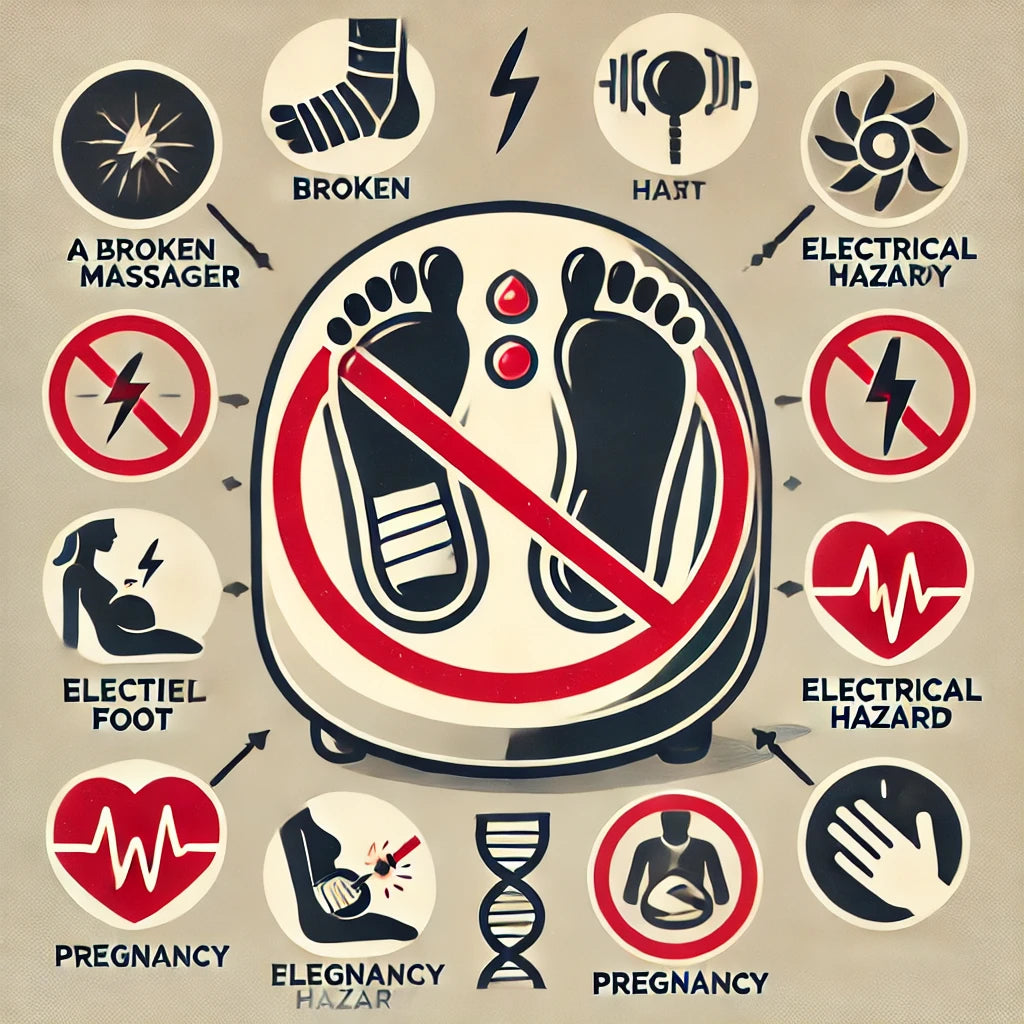
There are also certain medical conditions where the use of a foot massager is not recommended. People with diabetes, circulatory problems, thrombosis or open wounds should always consult a doctor before using such a device to avoid potential risks.
Safety considerations when using electrical appliances
Electric foot massagers should always be used with caution, particularly near water. It is important never to operate the device with wet hands and to ensure that the power supply is working properly to prevent accidents.
How do I choose the right foot massager?
Key criteria for selection
When choosing a foot massager, you should consider various criteria. These include the type of massage (e.g. Shiatsu, air pressure), the available settings and functions (such as heat and intensity), as well as the comfort and ease of use of the device.
Value for money
Of course, price also plays an important role. It is important to choose a device that offers good value for money. An expensive device is not necessarily better, so it is worth comparing different models and paying attention to customer reviews.
Recommendations and user reviews
User reviews and recommendations from other users can also be very helpful. They give you an insight into the device’s actual performance and reliability and can help you make a decision.
Conclusion
In summary, foot massagers offer many health benefits, particularly when it comes to promoting blood circulation, pain relief and stress reduction. Nevertheless, they should be used with care to avoid potential risks. If you choose the right device and use it correctly, you can benefit from its numerous positive effects and treat yourself to some soothing relaxation.
FAQs
Are foot massagers suitable for people with diabetes?
In many cases, caution is advised. People with diabetes should always consult their doctor before using a foot massager, as there may be an increased risk of nerve damage and circulatory problems.
How often should I use a foot massager?
It is recommended that you do not use a foot massager for longer than 15–20 minutes per session and no more than once a day to avoid overexertion.
Can foot massagers help with plantar fasciitis?
Yes, foot massagers can help relieve pain caused by plantar fasciitis by relaxing the muscles and improving blood circulation. However, you should consult a doctor if you are experiencing severe pain.
Are there alternatives to foot massagers?
Yes, as well as foot massagers, there are also manual massage rollers, foot baths and professional foot massages, which can offer similar benefits.
Can I use a foot massager if I am pregnant?
Pregnant women should consult their doctor before using a foot massager, as certain types of massage and pressure points may not be safe.
Foot massage is also available on a larger scale: many NAIPO massage chairs massage the feet at the same time using their own rollers. Find out more in our guide to massage chairs with foot reflexology.
In the foot massager overview, you can compare all models by features and price.
Related articles: How good are foot massagers? and How does a foot massager work?. For specific advice on nerve-related problems in the feet, see the guide Foot massagers for neuropathy.
Frequently asked questions
- Who should not use a foot massager? Main contraindications
- Best foot massager for neuropathy: what to look for
- How long and how often should you use a foot massager?
- Reflexology for neuropathy: what it can and cannot do
- Medical foot massagers: what makes the difference
- EMS foot massager: benefits, side effects and how long to use

Written by NAIPO Editorial Team · Massage & Product Experts from Hamburg
Product experts, service technicians, and massage enthusiasts at Alsterwell GmbH — specializing in massage technology for over a decade, with our own workshop and showrooms for test sitting.
Fact-checked by David Eberst · Co-founder of NAIPO




Leave a comment
This site is protected by hCaptcha and the hCaptcha Privacy Policy and Terms of Service apply.